Snowdrops: The Herald of Spring

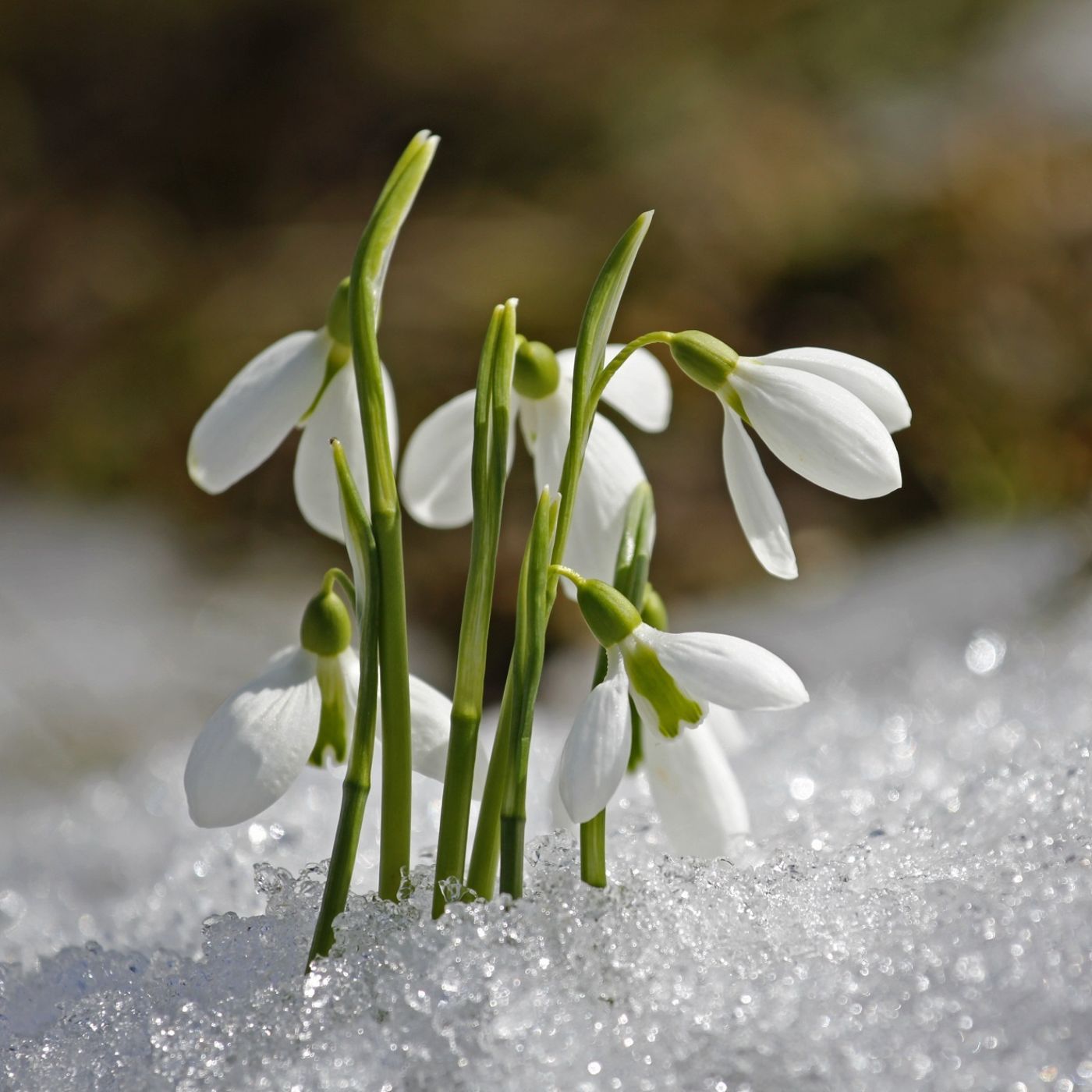
If you’ve ventured out and about in the winter in the UK, it’s very likely that you will have come across the beauty that is the Snowdrop.
Snowdrops (Galanthus) are delicate and enchanting spring flowers that herald the end of winter in the United Kingdom. These dainty blossoms, with their pristine white petals delicately drooping like tiny bells, are a sight to behold against the backdrop of the winter landscape. Snowdrops typically make their appearance from late January to early March. They can be found carpeting woodlands, gardens, and meadows with a silent promise of the approaching spring.
One of the remarkable aspects of snowdrops is their ability to endure and thrive in the harshest winter conditions. In the UK, where winters can be cold and damp, these resilient flowers push through the frost-covered ground, often poking through the lingering snow, to announce the arrival of warmer days. Their emergence symbolises hope and renewal, providing a welcome contrast to the subdued winter palette.
The history of snowdrops in the UK is intertwined with folklore and symbolism. Legend has it that snowdrops were the first flower to appear in the Garden of Eden, representing purity and the hope of new beginnings. In the Victorian language of flowers, snowdrops are associated with hope, consolation, and the promise of a brighter future. These associations have contributed to the enduring popularity of snowdrops as a symbol of optimism and rebirth.
Where to find them
In the UK, snowdrops are commonly found in woodlands, where they form impressive carpets beneath the bare trees. Their ability to thrive in shaded areas makes them well-suited to the dappled light of deciduous forests. Many outdoor enthusiasts take part in the tradition of ‘snowdrop walks,’ where they explore woodlands and gardens specifically to enjoy the breathtaking displays of these delicate flowers. There are many notable locations which are renowned for their stunning snowdrop displays – a quick research will tell you where you can find some in your local area, but woodlands from January-March are a good bet.
Snowdrops in the british landscape
Snowdrops also play a role in supporting early pollinators. Despite their delicate appearance, these flowers provide a crucial food source for bees and other insects emerging from winter dormancy. Their nectar-rich blooms help sustain pollinators during a time when food can be scarce; contributing to the overall health of local ecosystems.
While snowdrops are not native to the UK, having been introduced centuries ago, they have become an integral part of the country’s natural heritage. Despite their commonality, snowdrops face threats, particularly from habitat loss and unsustainable harvesting. Conservation efforts, such as the establishment of protected woodlands and awareness campaigns, strive to preserve these emblematic flowers and their natural habitats.
The Snowdrop’s annual appearance is a cherished moment for nature lovers, signaling the imminent arrival of spring and the end of winter’s chill. The fleeting beauty of snowdrops serves as a reminder of nature’s resilience and the cyclical nature of the seasons. Of course this makes them a beloved and eagerly awaited presence in the UK landscape.
It’s this nature that spurs us on to scale our work here at Project Wildling CIC. Without your help, we couldn’t do what it is that we feel passionately about: bringing nature back to balance, and humans back to nature. If you’d like to become a member and support the work that we do, click here. If you can’t afford to become a member right now but still want to support our work, please consider sharing this post so we can get more humans back to nature.