Walking in a Winter Wonderland: 5 Species to look out for this Winter


Getting out into nature can seem more like a Spring or Summer activity, with things like picnics and hiking being traditionally popular in the warmer months. However, the Autumn and Winter months have a lot to offer, too. Although the weather is colder, the natural world is as beautiful as ever, so bundle up in your coats and mittens and get outside and see what you can see! Whether you have a small garden, large garden, a park or a woodland nearby, life is all around, you just need to look!
Here are 5 species, to look out for on your winter walks or at home:
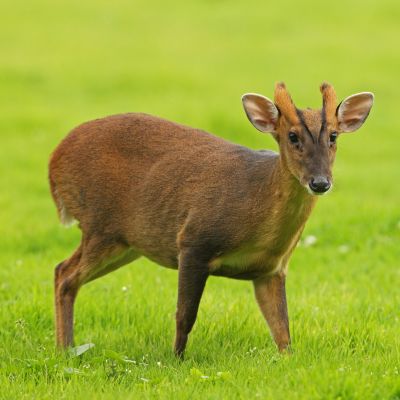
- Muntjac (Muntiacus reevesi)
A non-native but fairly common deer in the UK, the Muntjac are often found in dense undergrowth. Small and stocky, Muntjac can stand up to half a metre tall and are often known for their small antlers and protruding front teeth. Muntjac are more active around dusk and dawn and so are perfect to spot on an early morning or afternoon walk in the winter.
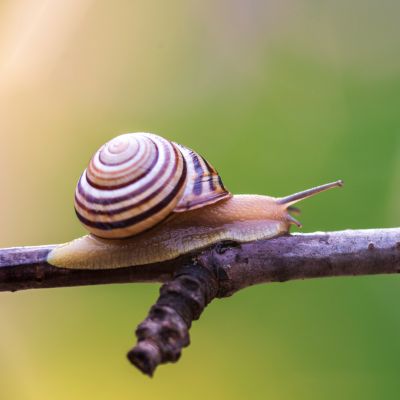
2. Garden snail (Cornu aspersum)
Unlike slugs, snails hibernate above ground throughout the winter. This makes the ideal opportunity to admire their beautiful shells (just please don’t disturb them!). Like a lot of species, snails hibernate through the winter – they retreat into their shells and seal them with a thick layer of slime. Find them in small groups under flower pots or in the cracks of walls.
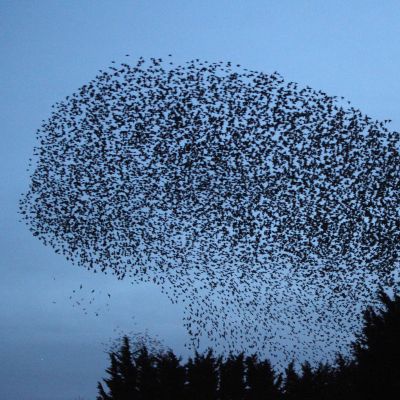
3. Starling (Sturnus vulgaris)
A very special seasonal sight – Starlings are famous for their aerial displays, called ‘murmurations’. These sweeping displays occur at dusk and are best seen on cold and still, clear evenings from December-February. Starlings are unfortunately on the Red List of conservation concern, due to the steep declines in their breeding population. However, despite their precarious population number their displays, often bolstered in numbers by migratory birds fleeing the harsher winter in Scandinavia and Eastern Europe, are still a sight to behold.
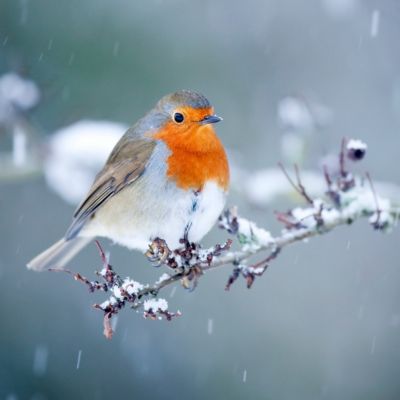
4. European robin (Erithacus rubecula)
Another beautiful bird, and one that is iconic in the wintertime, the European robin is a joy to see this time of year. Its distinctive red breast and curious nature makes it quite easy to spot. Robins are widespread throughout the UK, inhabiting farmland and woodland as well as gardens and parks in more urban areas. Unlike other birds, Robins will sing throughout the year, apart from at Midsummer when they are moulting. Both territorial and vocal, they’re one of the first birds to begin singing in the dawn chorus and one of the last to stop singing in the evening.
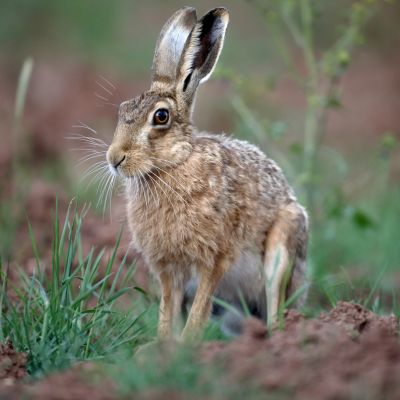
5. Brown hare (Lepus europaeus)
Hares were brought to the UK, most likely by the Romans, from places such as Eastern Europe and Asia. Naturally inhabiting grasslands, they are well-suited to extreme weather with minimal shelter. Although they are famous for their boxing in Spring, their hardiness means that they have no need to hibernate, and so can be seen throughout the colder months, too, if you’re lucky! They don’t burrow, but snuggle down in shallow scrapes called ‘forms’.
So there you have it, just 5 of the species you could spot out and about this winter. We hope this inspires you to get out into nature and get some fresh air! If you spot any of these wonderful species, or any others, tag us on instagram @projectwildlingcic or use the hashtag #projectwildlingcic and we’ll share our favourites!
As always, thanks so much for reading. We couldn’t do the work that we do without the support from our members. If you can’t afford to become a member right now but still want to support our work, please consider sharing this post so we can get more humans back to nature.